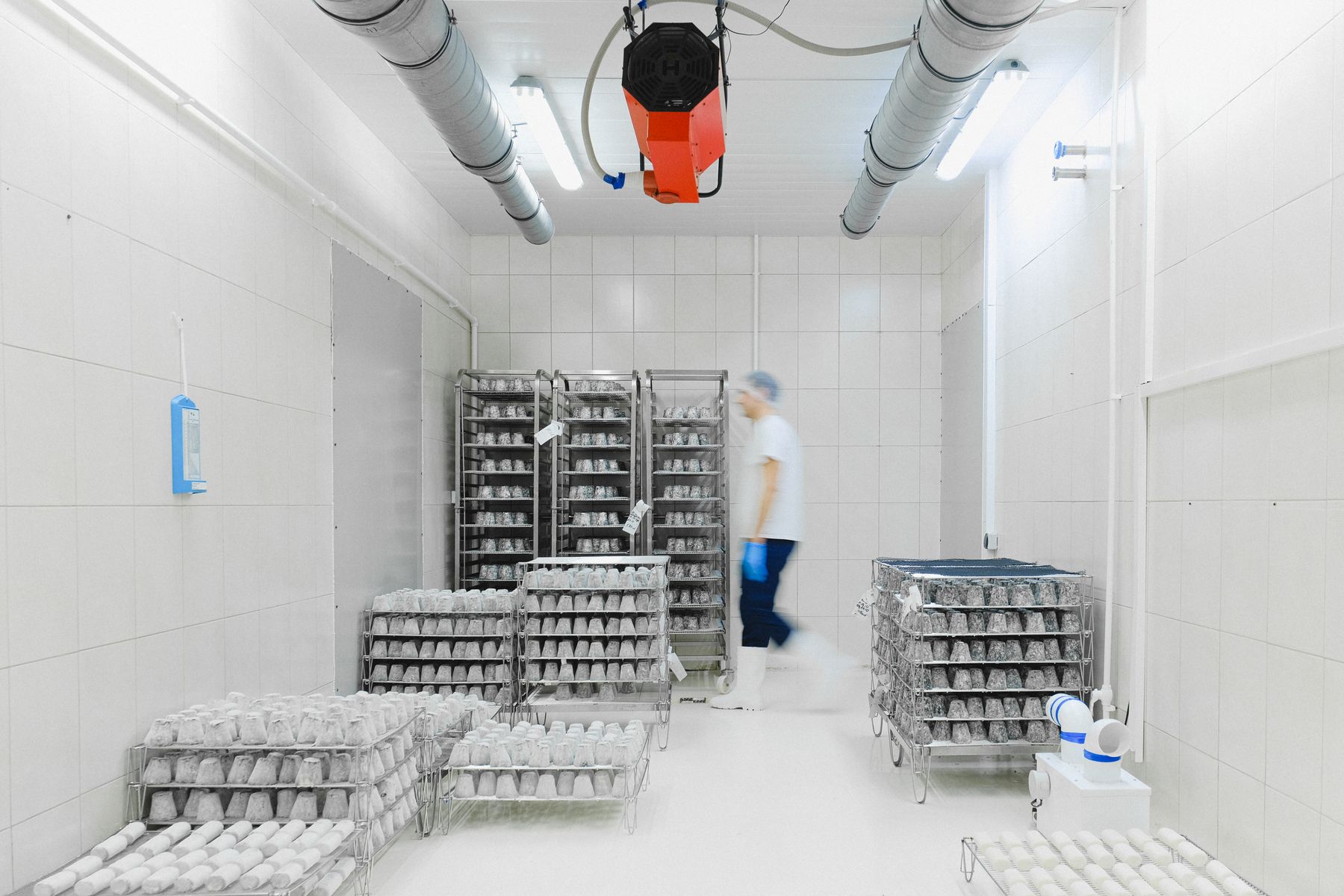
Pharmaceuticals
USD 1.5T
USD 70 billion in India
Vaccines and biologics fail silently. A temperature excursion leaves no trace a patient can see.

Food and medicine worth more than three trillion dollars move through the world’s cold chains each year. Around a fifth is lost on the way — not for want of technology, but for want of agreement. C3TP is the Council built to create it.
ScrollThe promise
Before it is an industry, the cold chain is a promise — that what left the farm or the factory still works when it arrives.
Three categories carry most of that promise. Each has a global market measured in trillions, and an Indian market large enough that a percentage point of loss is a national number.
Vaccines and biologics fail silently. A temperature excursion leaves no trace a patient can see.
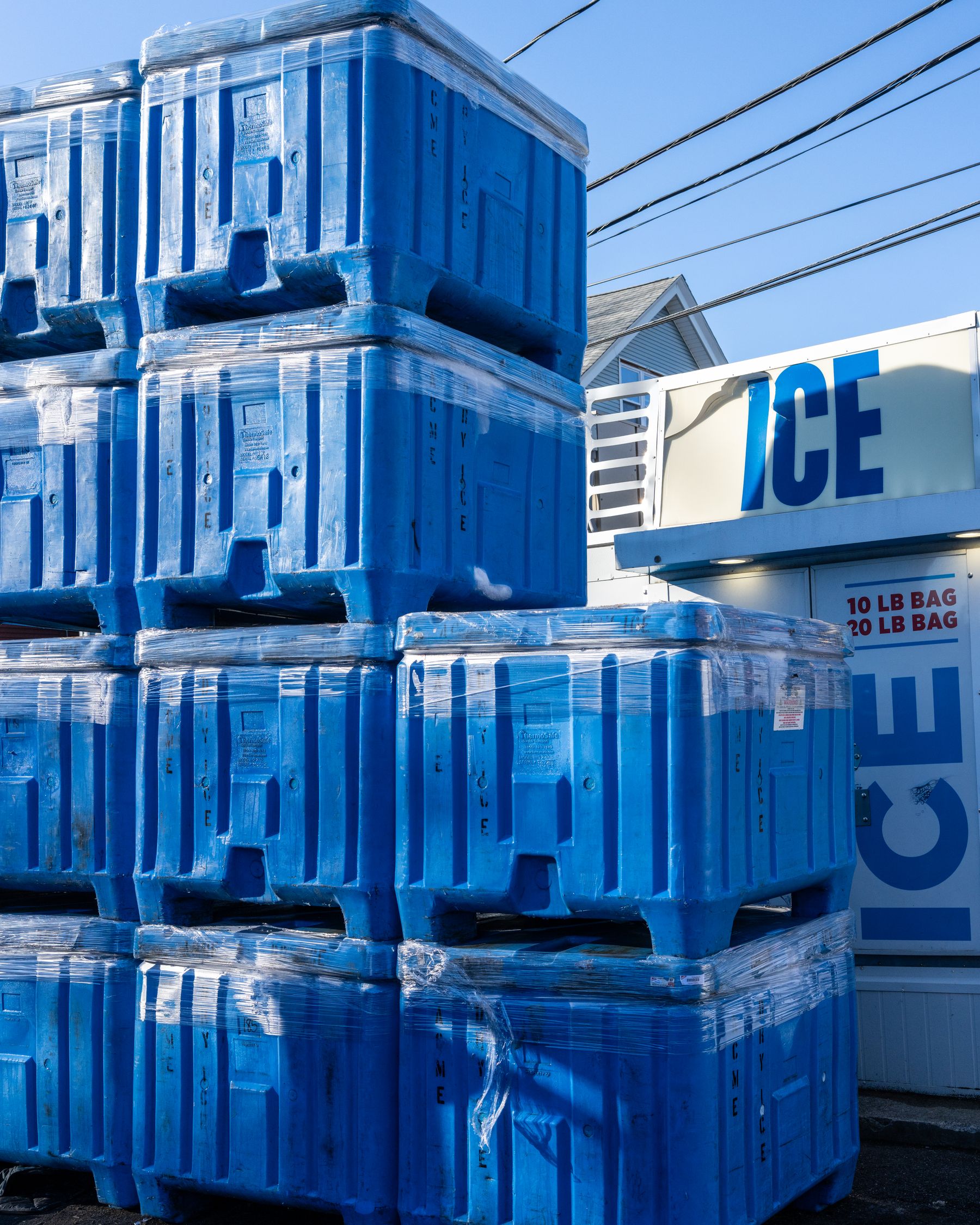
The least forgiving cargo in the chain, and the most exposed to a break in transit.
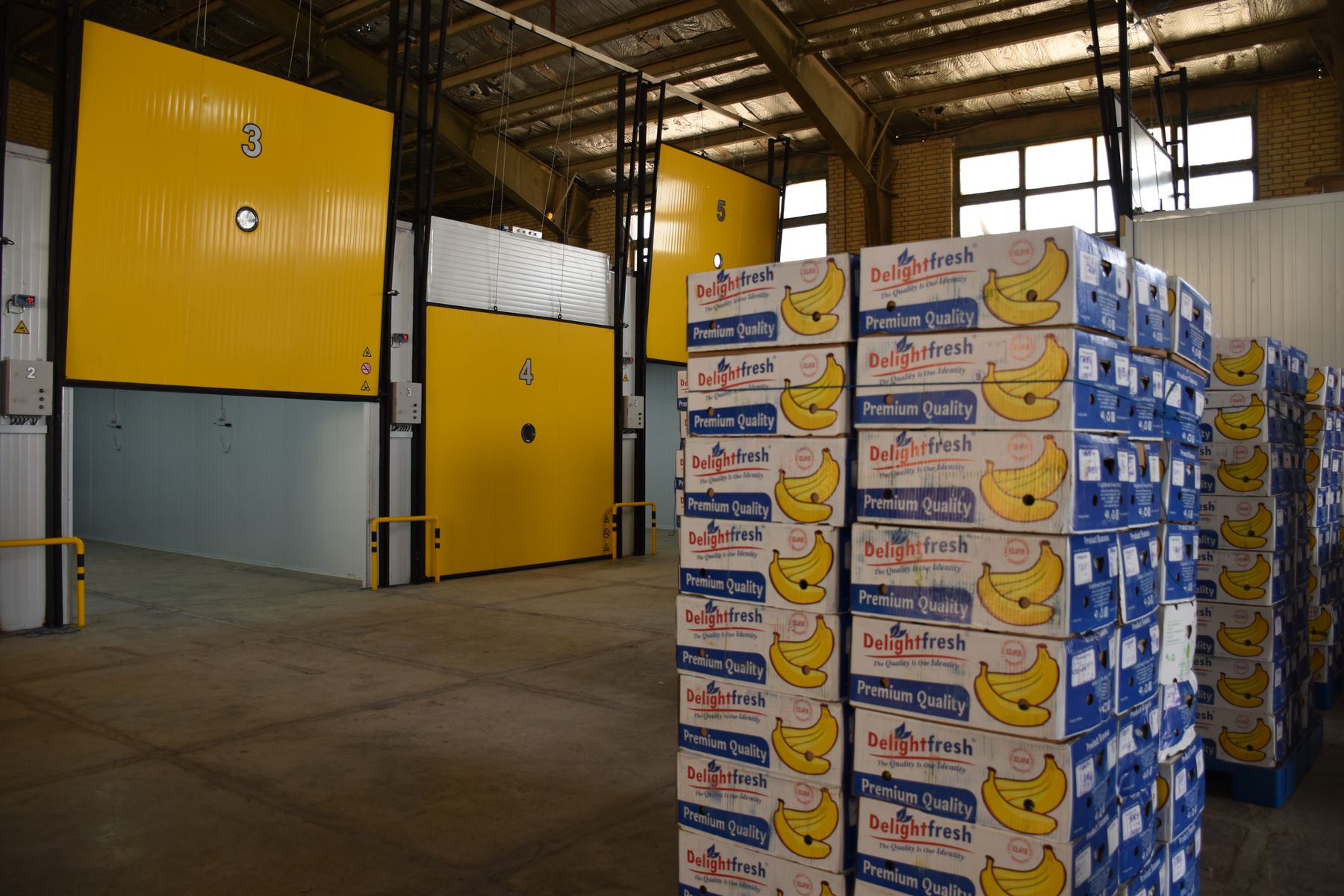
Millions of smallholders feed this chain. They absorb the loss when it fails.
Market sizes from industry reports; hunger figure from FAO, Global Hunger Index 2022; loss figure from FAO and expert interviews.

Where it breaks
The chain rarely breaks inside a cold store. It breaks in the handovers — the moments when the goods change hands and nobody owns the record.
Thousands of small operators work alongside a few large ones. No single actor is big enough to impose a standard on the rest.
Low earnings across the industry make unilateral investment in new technology hard to justify, however sound the case.
The technology already exists. What is missing is an agreed way for one operator’s systems to speak to the next one’s.
The arithmetic
Connecting two systems is a project. Connecting an industry to itself, one pair at a time, is arithmetic that defeats everybody.
Six systems that each speak only to each other need fifteen separate integrations. Twelve need sixty-six. Every one of them is built twice, paid for twice and maintained forever — and none of them survives a change of vendor.
Agree one specification and the arithmetic inverts. Each system implements it once. The cost of joining the chain stops rising with the size of the chain.
A room, not a platform
So the work is not to build another platform. It is to build the room where competitors can agree — and the rules that make the agreement hold.
C3TP is a non-profit, member-only council. It distributes no surplus; membership contributions and project funding go to the work programme and nowhere else. It is hosted at ARTPARK, Indian Institute of Science, Bengaluru — an academic host, deliberately, so that the specifications belong to no member’s commercial interest.
Mission
To enable zero-waste, sustainable cold chains by accelerating the adoption of technology through innovation, standardisation and policy development.
Vision
To become the world’s leading membership organisation for innovations, technology standards and policies for zero-waste, sustainable cold chains.
The method
Trust is the binding constraint on cold chain digitisation — not sensors, not software. It is built in layers, and each layer is worthless without the one beneath it.
Reference architectures that integrate the sub-systems already deployed in the field, rather than replacing them.
Common models and exchange protocols, so one operator’s record means the same thing to the next operator.
Specifications agreed by consensus and validated against field conditions before anyone is asked to adopt them.
Instruments and incentives that give those specifications legal and commercial standing, which is what turns a good idea into practice.
How a deliverable is made
A Steering Committee picks the item. A Working Group open to every member drafts it. It is tested against field conditions. It is published to the membership and carried into policy. Members who contributed intellectual property are rewarded fairly; members who need access get it.
The work
Four blueprints, each with a named outcome and a Working Group behind it. None is a product. Every one is published to the membership.
A blueprint of the sub-systems that can be integrated to give real-time monitoring and analytics across an operator’s estate.
The indicators that actually predict waste and energy use, defined once so two operators’ numbers can be put side by side.
Smart contracts and distributed ledger applied to the paperwork — eliminating physical documents and manual SLA reconciliation.
The instruments, incentives and regulatory recommendations that let the first three be adopted at national scale.
Membership
Membership is open across the ecosystem. Choose the description that fits you.
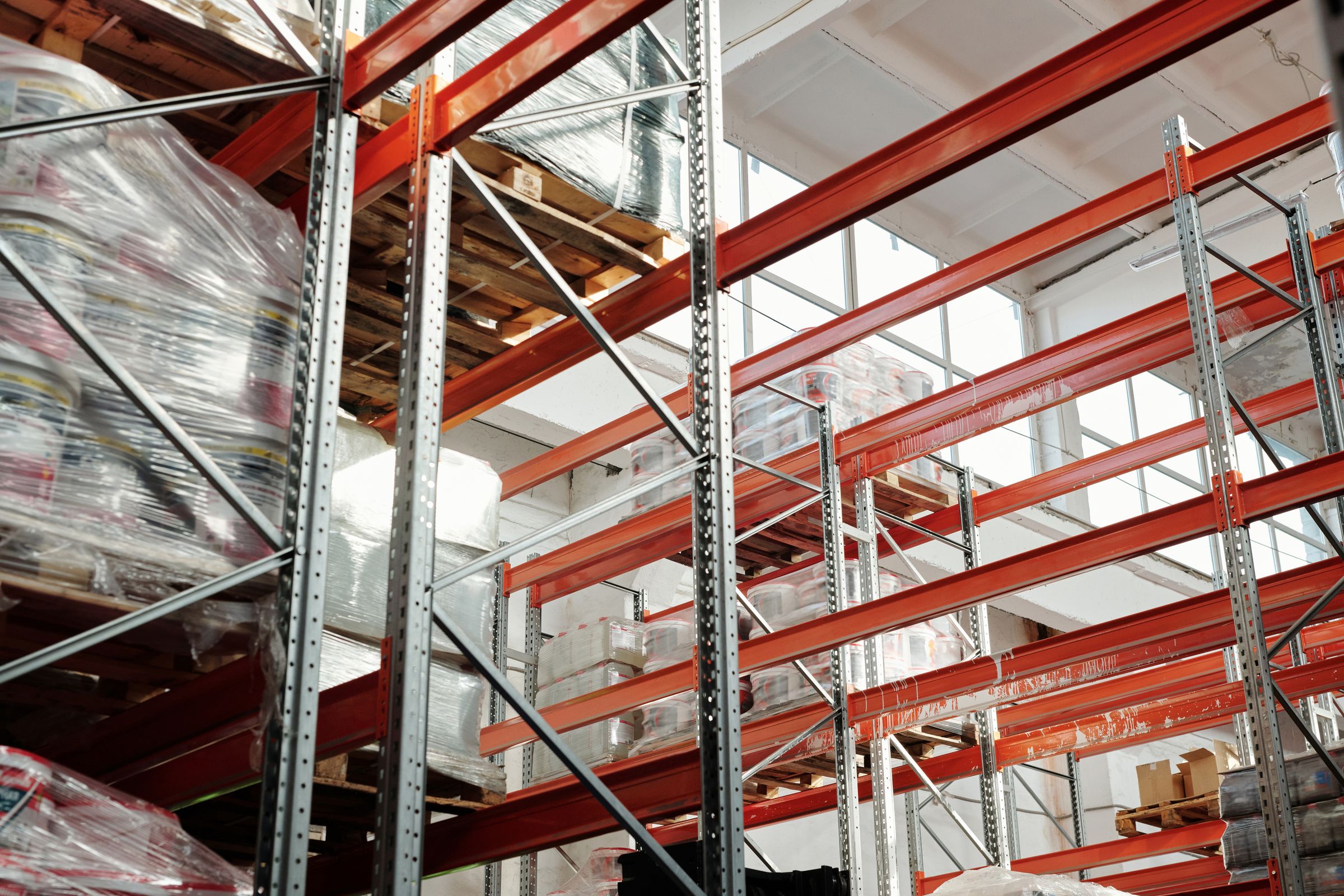
You carry the cost of every failure in a chain you do not operate.
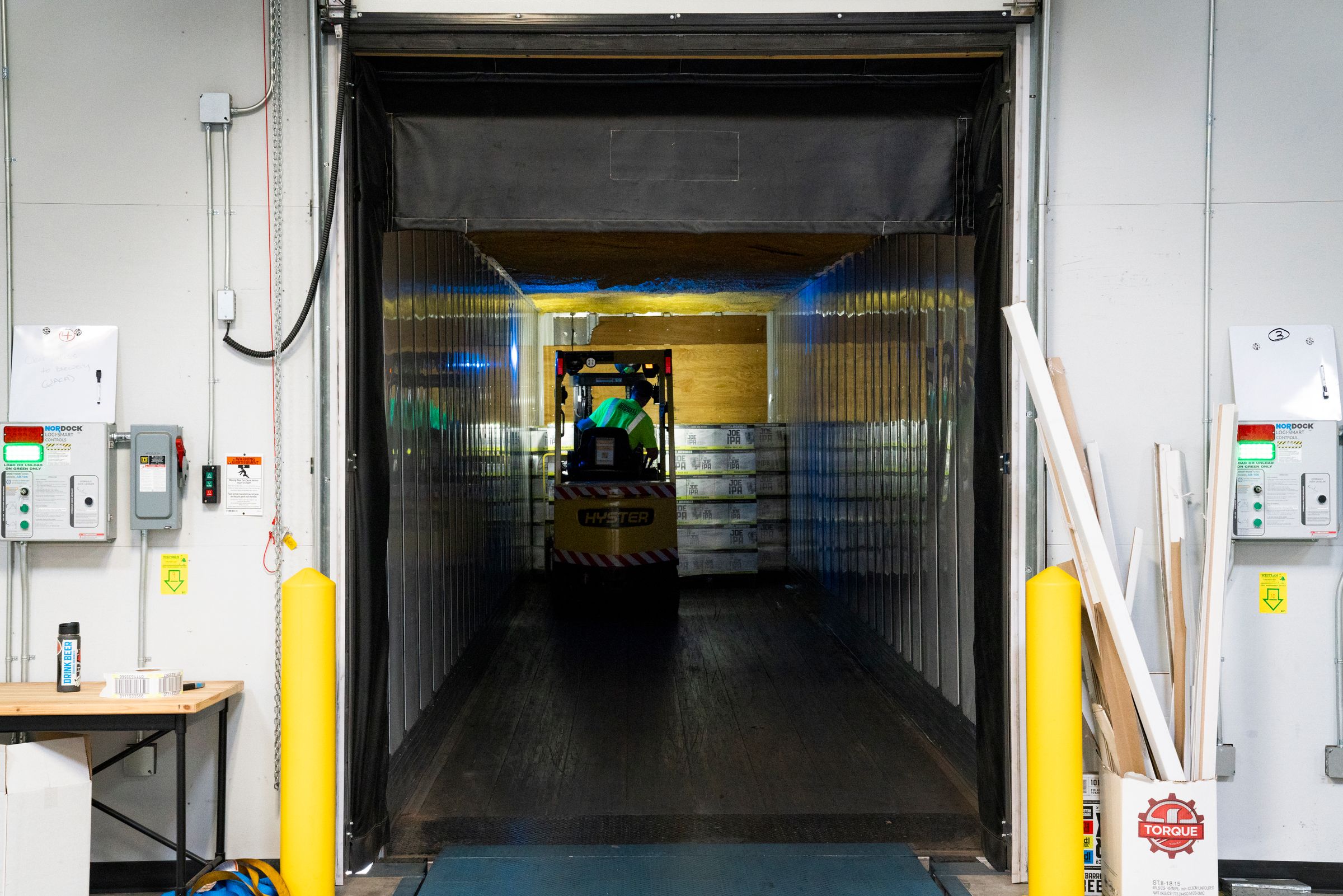
You are judged on service you cannot currently prove.

Every new customer currently costs you another bespoke integration.
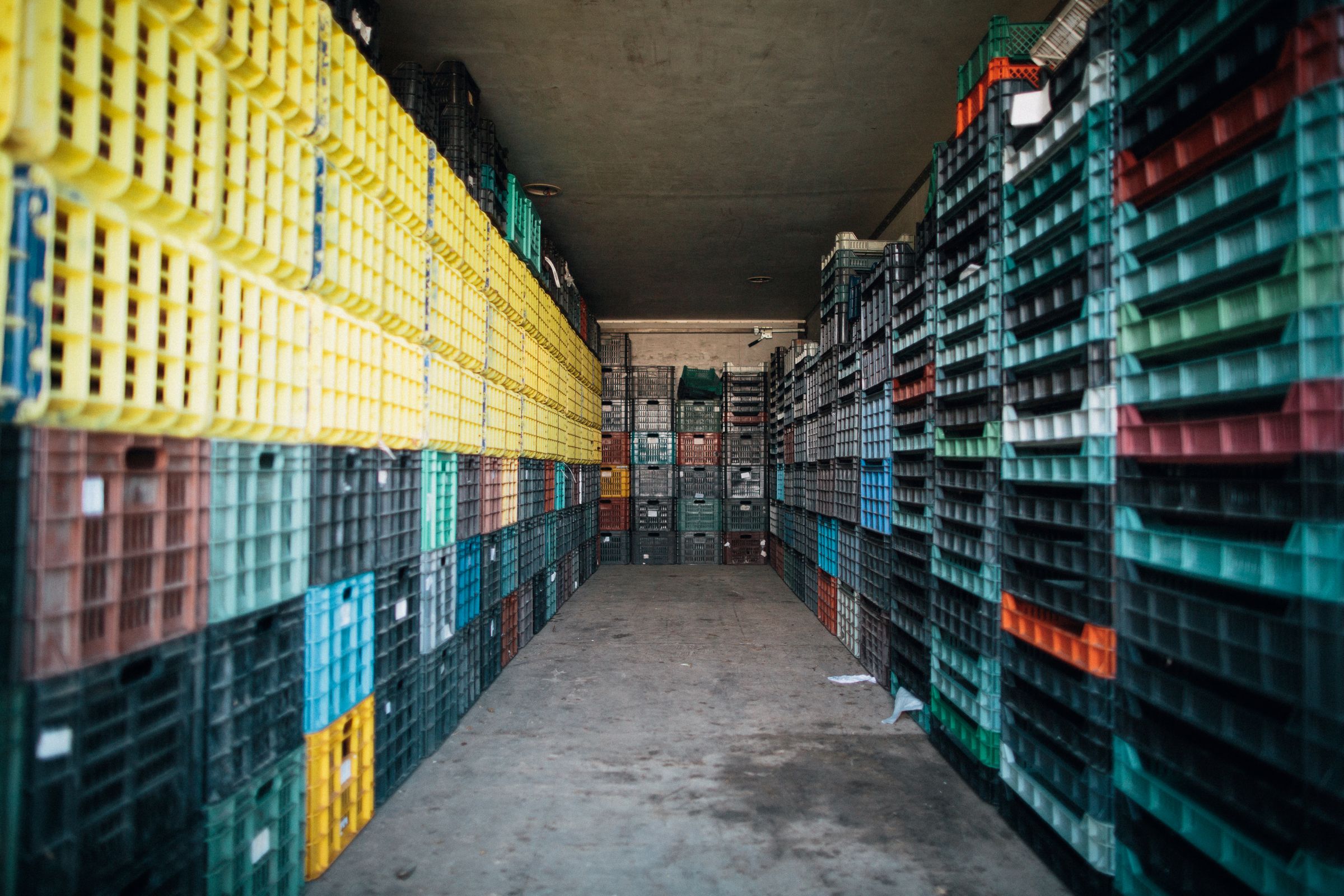
You lose deals on integration reach, not on product quality.

Your results need field conditions, not laboratory ones.
A specification nobody has tested is a specification nobody adopts.

Policy without measurement is a target without a thermometer.

You cannot underwrite what you cannot compare.
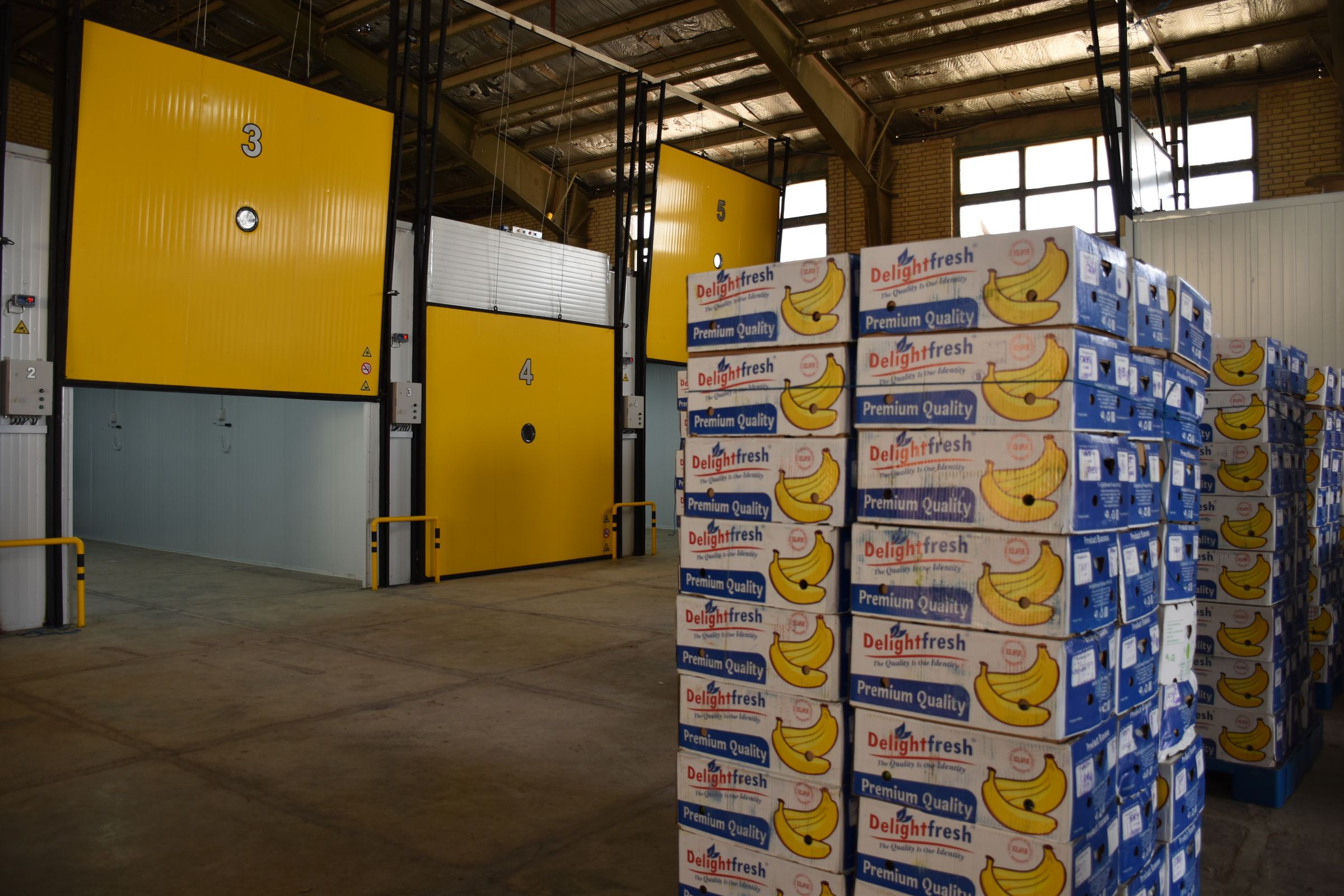
You absorb the loss when the chain fails, and see none of the data.
The rules
A council only works if no member can quietly capture it. The structure is deliberately plain, and every decision is minuted.
Founding members
The Council was founded by an academic host, a deep-tech institution and an industry partner — the three kinds of member it exists to bring together.




Enterprises, providers, institutions, regulators and individuals are invited to join the Council and shape the first work programme.